
What is a winter trekking tour?#
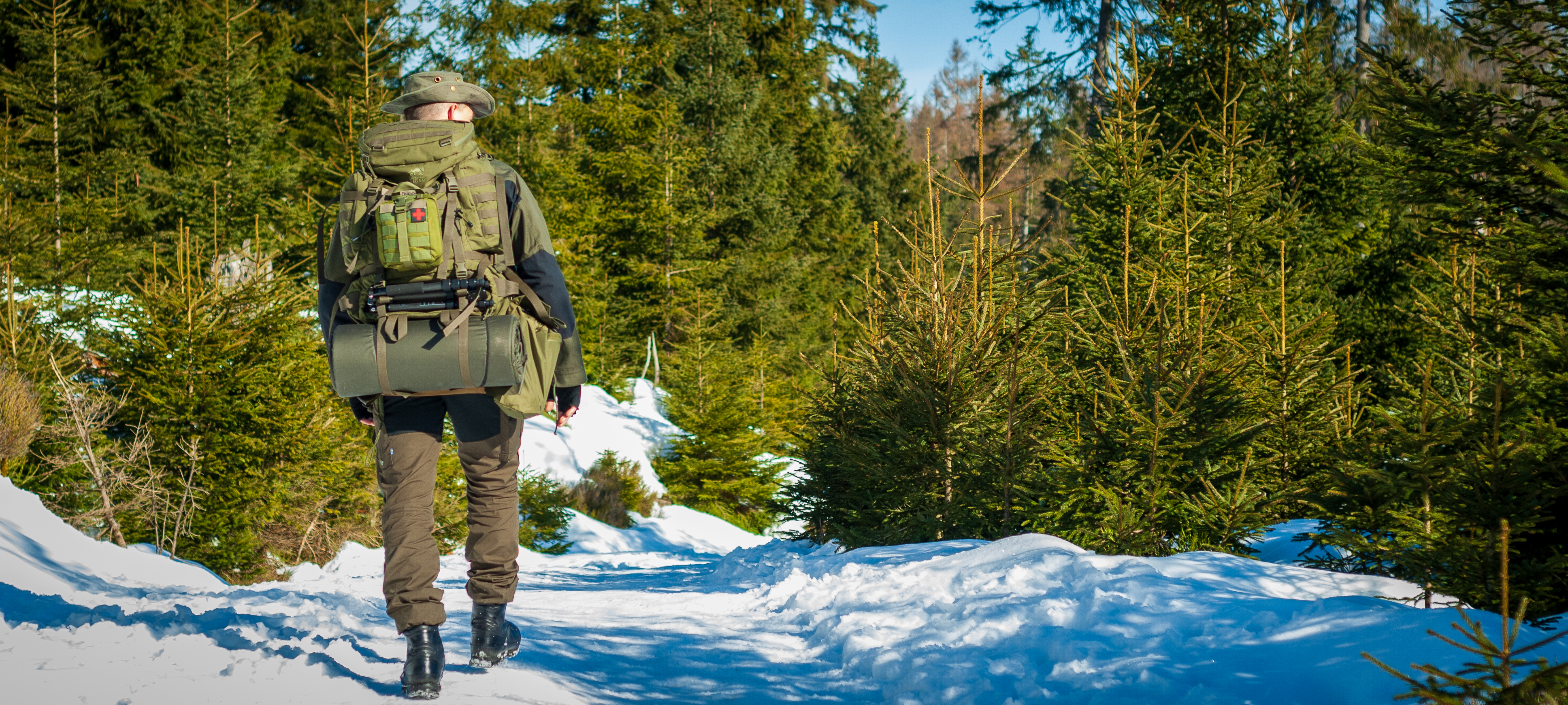
A winter trekking tour typically involves hiking or walking through snow-covered landscapes during the winter season. These tours are popular in regions with significant snowfall and mountainous terrain, such as the Alps, the Rockies, the Himalayas, and other mountain ranges worldwide. Winter trekking tours offer adventurers the opportunity to explore stunning winter landscapes, experience the tranquillity of the snowy wilderness, and challenge themselves physically and mentally.
During a winter trekking tour, participants usually traverse trails or routes that may be inaccessible or less frequented during other seasons. Along the way, they may encounter snowy forests, frozen lakes, snow-capped peaks, and breathtaking vistas. Depending on the difficulty level of the trek, participants may need to navigate through various terrains, including deep snow, icy patches, and steep slopes.
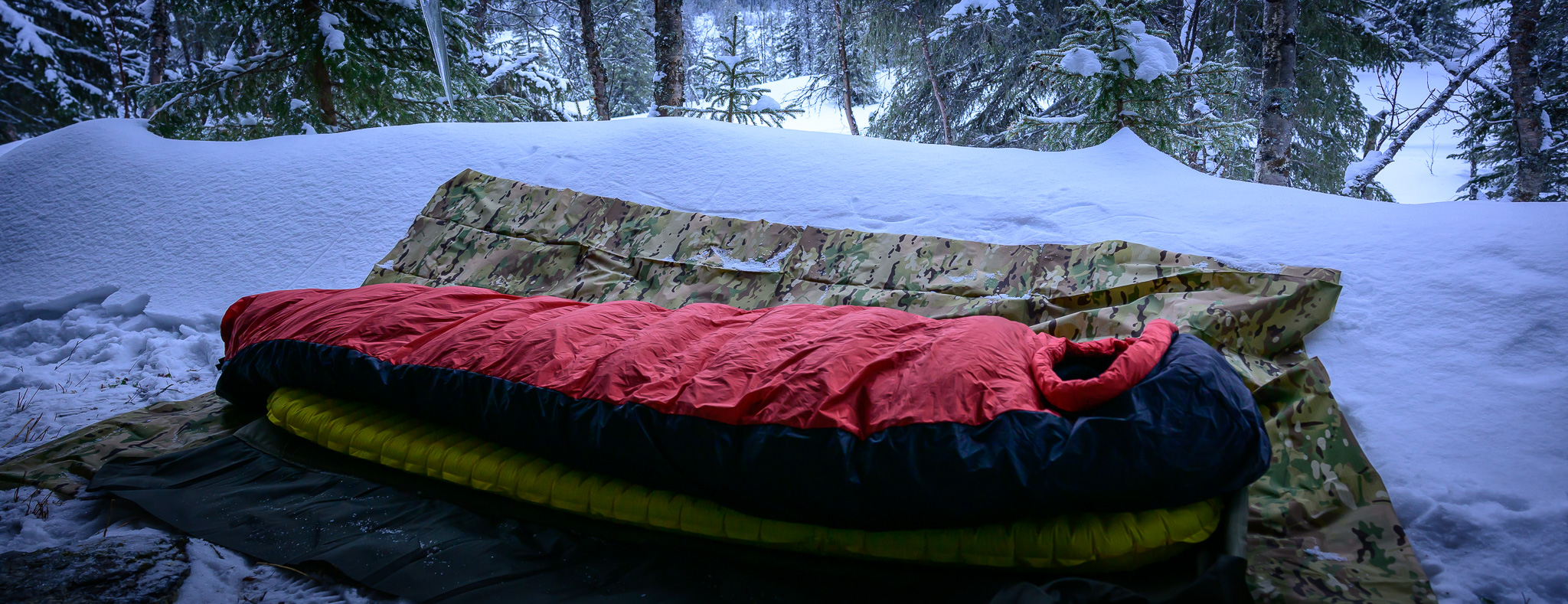
Winter trekking tours can vary in duration and intensity, ranging from single-day excursions to multi-day expeditions. Some tours may involve camping in tents, mountain huts, or lodges along the route. Participants also need specialised gear such as insulated clothing, waterproof boots, trekking poles, and sometimes snowshoes or crampons for traction on icy surfaces.
Overall, winter trekking tours offer a unique and exhilarating outdoor experience for those who enjoy adventure and the beauty of winter landscapes. However, they also require careful planning, preparation, and awareness of the potential challenges and risks associated with winter hiking.
- What is a winter trekking tour?
- How important is a suitable sleeping bag?
- What are the isolation materials for Winter-Sleeping-Bags?
- What are the cons of Down Isolation?
- What are the cons of synthetic Isolation?
- How is the Isolation working with Downs?
- What Down is best for Isolation?
- Are all Goose Downs good?
- Responsible Down Standard (RDS) and the Global Traceable Down Standard (Global TDS)
- Is there any European or German standard? 1. Downpass: 2. Textile Exchange’s Europe-Based Initiatives: 3. German Legislation and Animal Welfare Standards:
- How do you maintain Down insulation in sleeping bags?
How important is a suitable sleeping bag?#
A good sleeping bag is significant for any outdoor adventure, especially for camping, trekking, or backpacking, where you’ll be spending nights outdoors. Here’s why:
Insulation:#
A quality sleeping bag provides insulation to keep you warm during cold nights. Insulation is usually measured in fill power (for down sleeping bags) or temperature ratings (for both down and synthetic sleeping bags). The higher the fill power or the lower the temperature rating, the better the insulation.
Comfort:#
A well-designed sleeping bag ensures comfort by providing adequate space to move around while fitting snugly to retain heat. Features like draft tubes, hood cinches, and zipper guards enhance comfort by preventing cold drafts and ensuring a cosy fit.
Weight and Packability:#
For outdoor activities where you need to carry your gear, a sleeping bag’s weight and packability are crucial factors. High-quality materials and efficient designs can significantly reduce a sleeping bag’s weight and volume, making it easier to pack and carry.
Durability:#
A good sleeping bag is durable and built to withstand the rigours of outdoor use. Quality construction, reinforced seams, and durable materials ensure that your sleeping bag will last through many adventures.
Versatility:#
Depending on the season and location of your outdoor adventure, you may need a sleeping bag with specific temperature ratings. Some sleeping bags are designed for use in particular conditions, while others offer versatility by providing options for temperature regulation, such as zippered vents or removable liners.
Overall, a suitable sleeping bag is essential for ensuring a comfortable and enjoyable outdoor experience, whether camping in the backcountry, trekking through the wilderness, or simply spending a night under the stars. It’s worth researching and choosing a sleeping bag that fits your needs and provides the necessary insulation, comfort, and durability for your adventures.
What are the isolation materials for Winter-Sleeping-Bags?#
Winter sleeping bags require effective insulation to keep you warm in cold temperatures. The two primary insulation materials used in winter sleeping bags are down and synthetic. Here’s an overview of each:
Down Insulation:#
Goose or Duck Down : Down insulation is made from the delicate, soft clusters found under the feathers of geese or ducks. It provides exceptional warmth-to-weight ratio, compressibility, and durability.
Fill Power : Down insulation is measured in fill power, which indicates its loftiness and insulating ability. Higher fill power down provides better insulation with less weight.
Water Resistance : One drawback of down is that it loses its insulating properties when wet. However, some manufacturers treat down with water-repellent coatings or use hydrophobic down to enhance water resistance.
Synthetic Insulation:#
Polyester Fibers : Synthetic insulation is made from polyester fibres designed to mimic the insulating properties of down. Unlike down, synthetic insulation retains its warmth even when wet, making it a more reliable choice in damp conditions.
Durability : Synthetic insulation tends to be more durable and resilient than down, maintaining its loft and insulating properties even after repeated compression and exposure to moisture.
Affordability : Synthetic sleeping bags are often more affordable than down sleeping bags, making them a popular choice for budget-conscious adventurers.
Both down and synthetic insulation have pros and cons, and the choice between them depends on factors such as your budget, the expected conditions of your trip, and personal preferences.
What are the cons of Down Isolation?#
While down insulation offers excellent warmth-to-weight ratio and compressibility, there are some drawbacks to consider:
Price:#
Down sleeping bags tend to be more expensive than synthetic options. High-quality Down, especially those with higher fill power ratings, can significantly increase the cost of the sleeping bag.
Maintenance:#
Down requires careful maintenance to retain its loft and insulation properties. It can lose effectiveness if it becomes wet, clumps together, or gets compressed for extended periods without proper storage.
Water Sensitivity:#
Down loses its insulation properties when it gets wet. Moisture from rain, snow, or body sweat can reduce the loft of down, leading to decreased warmth and longer drying times. However, some manufacturers treat down with water-repellent coatings or use hydrophobic down to mitigate this issue.
Allergies:#
Some people may be allergic to down or sensitive to the dust and particles that can be present in down insulation. Synthetic insulation may be a better option for individuals with allergies or sensitivities.
Longer Drying Time:#
If a down sleeping bag becomes wet, it can take longer to dry than synthetic insulation. This can be problematic in wet or humid conditions, especially on an extended outdoor trip without access to drying facilities.
Ethical Concerns:#
Some individuals may have ethical concerns about sourcing down insulation, particularly regarding animal welfare and practices such as live-plucking or force-feeding. Opting for responsibly sourced down or synthetic insulation can alleviate these concerns.
Despite these drawbacks, down insulation remains famous for outdoor enthusiasts due to its superior warmth, compressibility, and longevity when correctly cared for. However, weighing these factors against your specific needs and preferences is essential when choosing a winter sleeping bag.
What are the cons of synthetic Isolation?#
While synthetic insulation has its advantages, there are also some drawbacks to consider:
Bulk and Weight:#
Synthetic insulation tends to be heavier than down insulation, especially when packed into a sleeping bag. This can make synthetic sleeping bags less convenient for backpacking or other activities where weight and pack size are critical factors.
Less Compressible:#
Synthetic insulation doesn’t compress as well as down, so synthetic sleeping bags may take up more space in your pack compared to down sleeping bags with similar temperature ratings.
Lower Warmth-to-Weight Ratio:#
Synthetic insulation generally has a lower warmth-to-weight ratio than down, meaning you may need a heavier sleeping bag to achieve the same level of warmth as a down sleeping bag.
Reduced Durability:#
Over time and with repeated use, synthetic insulation can lose its loft and insulating properties more quickly than down. This can result in a shorter lifespan for synthetic sleeping bags than down sleeping bags.
Limited Breathability:#
Synthetic insulation may not breathe as well as down, leading to potential moisture buildup inside the sleeping bag. This can cause discomfort and contribute to a clammy feeling at night.
Environmental Impact:#
Many synthetic insulation materials are derived from petroleum-based products, which raises environmental concerns regarding their production and disposal. However, eco-friendly synthetic insulation options are also available that use recycled materials or sustainable manufacturing processes.
Flammability:#
Some synthetic insulation materials are more flammable than down, which may pose a safety risk in certain situations. However, many sleeping bags are treated with flame-retardant chemicals to mitigate this risk.
Despite these drawbacks, synthetic insulation remains popular for many outdoor enthusiasts, especially those who prioritise affordability, moisture resistance, and ethical considerations. When choosing a winter sleeping bag, it’s essential to weigh the pros and cons of synthetic insulation against your specific needs and preferences.
How is the Isolation working with Downs?#
Down insulation works by trapping air within the lofted clusters of down feathers, creating a barrier that prevents heat loss from your body to the surrounding environment. Here’s how the insulation process works:
Loft : Down feathers have a three-dimensional structure with tiny filaments that interlock to create air pockets. This structure allows down clusters to loft or fluff up, creating a high volume of dead air space within the sleeping bag.
Dead Air Space : The dead air space created by the lofted-down clusters acts as an insulating layer. Air is an excellent insulator because it has low thermal conductivity, meaning it doesn’t transfer heat well. By trapping air within the down clusters, down insulation minimises heat transfer and helps maintain your body’s warmth.
Fill Power : Fill power is a measure of the loftiness or fluffiness of down insulation. Higher fill power down contains larger, more resilient clusters that trap more air and provide better insulation. Fill power is typically measured in cubic inches per ounce (in³/oz), with higher numbers indicating higher quality down.
Fluffing : To maximise the insulating properties of down insulation, it’s essential to fluff up the sleeping bag periodically to restore its loft. Fluffing redistributes the down clusters and prevents them from compressing over time, ensuring optimal warmth and insulation.
Water Resistance : Down insulation is vulnerable to moisture because wet down loses its loft and insulating ability. However, some manufacturers treat down with water-repellent coatings or use hydrophobic down, specially treated to repel moisture and maintain its loft even when wet.
Overall, down insulation is highly effective at trapping air and providing warmth in cold conditions. Its lightweight, compressible nature makes it ideal for winter sleeping bags, where warmth-to-weight ratio and packability are essential considerations. However, it’s critical to protect down insulation from moisture and maintain its loft to ensure optimal performance over time.
What Down is best for Isolation?#
When considering down insulation for sleeping bags, jackets, or other outdoor gear, the quality of the Down is a crucial factor. The quality of the Down is often measured by its fill power, which indicates the loftiness and insulating ability of the Down. Higher fill power down generally offers better insulation per ounce and is considered superior for outdoor use. Here’s a breakdown of common down qualities:
Fill Power : Fill power refers to the volume (in cubic inches) of one ounce of downfills when allowed to expand fully under specific conditions. Down with a higher fill power has larger and more resilient clusters, providing better loft and insulation. Common fill power ratings range from around 500 to 900 or more. Down with a fill power of 800 or higher is considered excellent quality and is often used in premium outdoor gear.
800+ Fill Power : Down with a fill power of 800 or higher, it is considered top-of-the-line and offers exceptional warmth-to-weight ratio, compressibility, and loft. It provides excellent insulation for cold weather conditions while remaining lightweight and packable.
700-800 Fill Power : Down with fill power, this range still offers excellent insulation and is suitable for most outdoor activities, including backpacking, camping, and mountaineering. It provides a good balance of warmth, weight, and affordability.
600-700 Fill Power : Down in this range is considered mid-range and offers decent insulation for general outdoor use. While not as lofty or compressible as higher fill power down, it still provides adequate warmth for mild to moderate cold conditions.
500-600 Fill Power : Down with fill power below 600 is considered lower quality and may be less efficient in providing insulation. It is often used in budget-friendly gear where weight and packability are less concerned.
In summary, the best Down for insulation depends on the specific requirements of your outdoor activities, budget, and personal preferences. For premium performance and lightweight gear, opt for down with a fill power of 800 or higher. However, lower fill power can still offer adequate insulation for less demanding activities at a more affordable price point.
Are all Goose Downs good?#
Not all Goose Down is created equal when it comes to insulation. While Goose Down, in general, is known for its excellent insulation properties, there can still be variations in quality based on factors such as the type of Goose, the maturity of the down clusters, and the processing methods used. Here are some factors to consider to ensure you’re getting the best insulation from Goose Down:
Type of Goose : Different species of geese produce down with varying qualities. Eiderdown, for example, is considered the finest and most luxurious type of Goose down, known for its exceptional loft, warmth, and lightness. However, it is also the most expensive. Other types of Goose down, such as white Goose down or grey Goose down, can still offer excellent insulation properties when properly processed and treated.
Processing Methods : How Goose Down is cleaned, sorted, and treated can affect insulation performance. High-quality Down undergoes thorough cleaning to remove dirt, dust, and oils while preserving the loft and resilience of the clusters. Down that needs to be better processed may have diminished loft and insulation capabilities.
Ethical Sourcing : Responsible sourcing of Goose Down is essential for many outdoor enthusiasts. Look for ethically sourced products from farms that adhere to animal welfare standards and sustainable practices. Responsible sourcing ensures that the geese are treated humanely and that the Down is obtained in an ethical and environmentally friendly manner.
Certifications : Look for products certified by reputable organisations such as the Responsible Down Standard (RDS) or the Global Traceable Down Standard (Global TDS). These certifications ensure that the down used in the product is ethically sourced and traceable throughout the supply chain.
In summary, while Goose Down is generally good for insulation, factors such as fill power, type of Goose, processing methods, and ethical sourcing must be considered to ensure the best insulation performance from your own products.
Responsible Down Standard (RDS) and the Global Traceable Down Standard (Global TDS)#
The Responsible Down Standard (RDS) and the Global Traceable Down Standard (Global TDS) are two certification programs to ensure the ethical sourcing and traceability of down used in outdoor gear and apparel. Here’s more information about each standard:
Responsible Down Standard (RDS):#
- The Responsible Down Standard is a global certification program developed by Textile Exchange, an international nonprofit organization focused on sustainability in the textile industry.
- The RDS aims to ensure that down and feathers used in products come from animals without unnecessary harm, such as live-plucking or force-feeding.
- The standard covers the entire supply chain, from farm to finished product, and includes requirements for animal welfare, traceability, and transparency.
- Certified RDS products must undergo independent audits by third-party certification bodies to verify compliance with the standard’s requirements.
- The RDS certification label provides consumers with assurance that the down used in the product meets strict ethical and welfare standards.
Global Traceable Down Standard (Global TDS):#
- The Global Traceable Down Standard is another certification program developed to ensure the responsible sourcing and traceability of Down in outdoor products.
- The Global TDS was established by NSF International, a global public health and safety organisation, in collaboration with the outdoor industry.
- Like the RDS, the Global TDS focuses on animal welfare, traceability, and transparency throughout the Down supply chain.
- The standard requires that down used in certified products be traced back to the source farm or slaughterhouse, providing transparency and accountability.
- Certified Global TDS products must undergo regular audits and inspections by accredited certification bodies to ensure compliance with the standard’s requirements.
- The Global TDS certification label indicates that the down used in the product has been responsibly sourced and can be traced back to its origin.
The Responsible Down Standard and the Global Traceable Down Standard assure consumers that the Down used in outdoor gear and apparel has been sourced ethically and transparently without causing unnecessary harm to animals. These certification programs are vital in promoting sustainability and animal welfare in the outdoor industry.
Is there any European or German standard?#
There are European standards and initiatives related to the responsible sourcing and traceability of down, although they may not be as widely recognised as the Responsible Down Standard (RDS) or the Global Traceable Down Standard (Global TDS). Here are a few examples:
Downpass:#
- Downpass is a certification and traceability system for down and feathers developed by the Association of the European Bed Feather and Bedding Industries (EuroVets).
- Downpass aims to ensure the responsible sourcing and traceability of down and feathers used in bedding and outdoor products.
- The certification covers animal welfare, traceability, and quality assurance throughout the supply chain.
- Downpass-certified products undergo regular audits and inspections by accredited certification bodies to verify compliance with the standard’s requirements.
Textile Exchange’s Europe-Based Initiatives:#
- Textile Exchange, the Responsible Down Standard (RDS) organisation, collaborates with European stakeholders to promote responsible down sourcing and traceability.
- While the RDS is a global standard, Textile Exchange works with European brands, retailers, and industry associations to implement responsible sourcing practices and support adopting certification programs such as the RDS.
German Legislation and Animal Welfare Standards:#
- Germany, like other European countries, has legislation and regulations related to animal welfare that apply to the farming and handling of animals, including those used for down production.
- While these regulations may not specifically address down sourcing and traceability in outdoor products, they set standards for animal welfare that manufacturers and suppliers are expected to adhere to.
- Companies operating in Germany may also choose to adopt voluntary certifications or standards, such as Downpass or the RDS, to demonstrate their commitment to ethical sourcing and transparency.
While there may not be a single European or German standard equivalent to the RDS or Global TDS, initiatives like Downpass and collaborations with organisations like Textile Exchange promote responsible down sourcing and ensure ethical practices in the European outdoor industry.
How do you maintain Down insulation in sleeping bags?#
Maintaining down insulation in sleeping bags is essential to ensure their longevity, performance, and warmth. Here are some tips to help you properly care for and maintain down sleeping bags:
Storage : Store your down sleeping bag uncompressed in a large cotton storage sack or hang it in a closet. Avoid storing it compressed for extended periods, which can cause the down clusters to lose loft and insulation effectiveness.
Air Out : After each use, air out your sleeping bag to remove moisture and fully allow the Down to loft. Hang it in a well-ventilated area or drape it over a clothesline to facilitate airflow. Avoid exposing it to direct sunlight for extended periods, as this can degrade the fabric and insulation.
Use a Liner : Consider using a sleeping bag liner to protect the interior of the sleeping bag from body oils, dirt, and sweat. Liners are easier to clean and can help extend the lifespan of your sleeping bag.
Spot Clean : Spot clean any stains or dirt with a gentle detergent and lukewarm water. Use a soft brush or sponge to scrub the affected areas gently, then rinse thoroughly with clean water. Avoid using harsh chemicals, bleach, or fabric softeners, as they can damage the down and fabric.
Machine Washing :
- If your sleeping bag is machine washable, use a front-loading washing machine on a gentle cycle with a down-specific detergent.
- Avoid using top-loading machines with agitators, as they can damage the fabric and insulation.
- Ensure the sleeping bag is completely dry before storing it.
Dry Cleaning : Some down sleeping bags may only be labelled as dry clean. If this is the case, take your sleeping bag to a professional cleaner experienced in handling down products. Ensure they use a down-specific cleaning process to maintain the loft and insulation.
Fluffing : Periodically fluff your sleeping bag by shaking it out and gently patting it to redistribute the down clusters evenly. This helps maintain loft and insulation effectiveness.
Avoid Compression : When packing your sleeping bag for storage or travel, use a breathable storage sack or hang it loosely in a closet. Avoid compressing the sleeping bag for extended periods, which can cause the Down to lose loft and insulation properties.
By following these maintenance tips, you can help preserve your down sleeping bag’s loft, warmth, and longevity, ensuring years of comfortable outdoor adventures.