In software development, temporary files are often used to store data temporarily during an application’s execution. These files may contain sensitive information or be used to hold data that must be processed or passed between different parts of a program. However, if these temporary files are not managed securely, they can introduce vulnerabilities that may compromise the application’s confidentiality, integrity, or availability. The Common Weakness Enumeration (CWE) identified CWE-377 as a weakness associated with the insecure creation and management of temporary files.
We will now create a new Vaadin Flow application step by step and create a basic framework for our own projects with this component-based open-source web framework. So, right from the start, the question arises: How can you start with as little effort as possible without avoiding the usual expenses that sometimes come with creating projects?
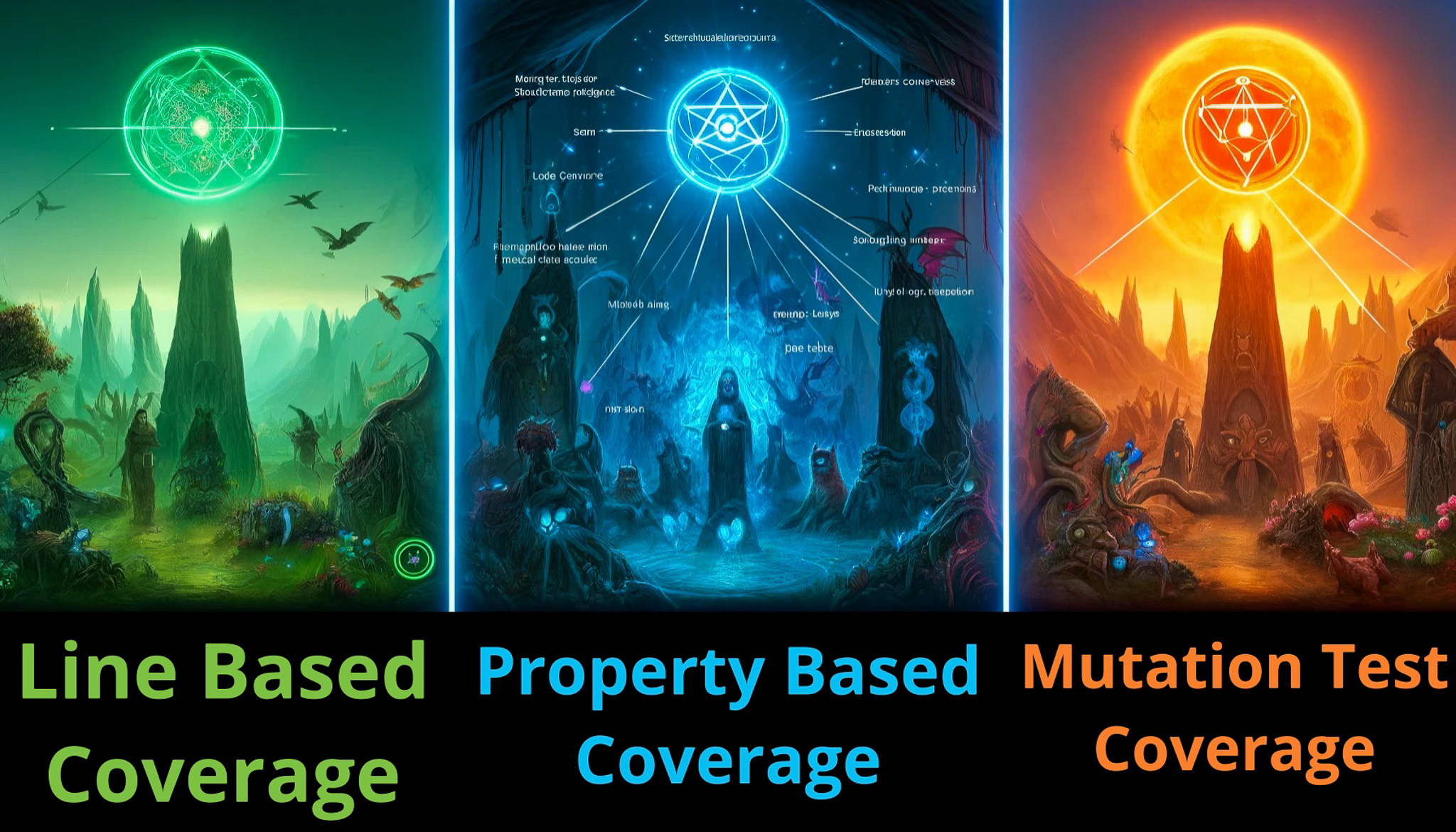
What is Test Coverage? # Test coverage is a metric used in software testing to measure the testing performed on a piece of software. It indicates how thoroughly a software program has been tested by identifying which parts of the code have been executed (covered) during testing and which have not. Here are the key aspects of test coverage:
What is a Package Manager - Bird-Eye View # A package manager is a tool or system in software development designed to simplify the process of installing, updating, configuring, and removing software packages on a computer system. It automates managing dependencies and resolving conflicts between different software components, making it easier for developers to work with various libraries, frameworks, and tools within their projects.
In today’s digital landscape, ensuring the security of your applications is paramount. One critical vulnerability developers must guard against is CWE-22, Path Traversal. This vulnerability can allow attackers to access files and directories outside the intended scope, potentially leading to unauthorised access and data breaches.
CWE-22, commonly called “Path Traversal,” is a vulnerability when an application fails to appropriately limit the paths users can access through a user-provided input. This can allow attackers to access directories and files outside the intended directory, leading to unauthorised access and potential system compromise. This vulnerability is particularly significant in Java applications due to the ubiquitous use of file handling and web resources. This document will delve into the nature of CWE-22, its implications, exploitation methods, and, most importantly, strategies to mitigate such vulnerabilities in Java applications.
CWE-416: Use After Free # Use After Free (UAF) is a vulnerability that occurs when a program continues to use a pointer after it has been freed. This can lead to undefined behaviour, including crashes, data corruption, and security vulnerabilities. The problem arises because the memory referenced by the pointer may be reallocated for other purposes, potentially allowing attackers to exploit the situation.
Transverse Mercator Projection : # The Gauss-Krüger system uses the transverse Mercator projection, which means the cylindrical projection is rotated 90 degrees. This allows for better accuracy over long north-south extents.
The term “CWE-787: Out-of-bounds Write " likely refers to a specific security vulnerability or error in software systems. Let’s break down what it means:
Out-of-bounds Write : This is a type of vulnerability where a program writes data outside the boundaries of pre-allocated fixed-length buffers. This can corrupt data, crash the program, or lead to the execution of malicious code.
What is ErrorHandling? # Error handling refers to the programming practice of anticipating, detecting, and responding to exceptions or errors in software during its execution. Errors may occur for various reasons, such as invalid user inputs, hardware failures, or bugs in the code. Proper error handling helps ensure that the program can handle such situations gracefully by resolving the Error, compensating for it, or failing safely.
Logging is essential to software development, recording information about the software’s operation. This can help developers understand the system’s behaviour, troubleshoot issues, and monitor the system in production. Here’s a basic overview of logging in software development:
Access control is a security measure that determines who can access resources or perform actions within a system. It involves defining and enforcing policies restricting unauthorised access while allowing authorised users to perform their intended tasks. Access control mechanisms are commonly used in various domains, including computer systems, buildings, and physical assets.