1. Introduction # 1.1 Motivation: Event-driven updating without polling # In classic web applications, the pull principle still dominates: Clients repeatedly make requests to the server to detect changes. This polling is simple, but it leads to unnecessary load on the server and network side, especially if the data stock changes only sporadically. Server-Sent Events (SSE) is a standardised procedure that allows the server to signal changes to connected clients actively. This avoids unnecessary requests, while updates reach the interface promptly.
1. Introduction # Why REST integration in Vaadin applications should not be an afterthought # In modern web applications, communication with external services is no longer a special function, but an integral part of a service-oriented architecture. Even if Vaadin Flow, as a UI framework, relies on server-side Java logic to achieve a high degree of coherence between view and data models, the need to communicate with systems outside the application quickly arises. These can be simple public APIs—for example, for displaying weather data or currency conversions—as well as internal company services, such as license verification, user management, or connecting to a central ERP system.
A URL shortener seems harmless – but if implemented incorrectly, it opens the door to phishing, enumeration, and data leakage. In this first part, I’ll explore the theoretical and security-relevant fundamentals of a URL shortener in Java – without any frameworks, but with a focus on entropy, collision tolerance, rate limiting, validity logic, and digital responsibility. The second part covers the complete implementation: modular, transparent, and as secure as possible.
A deep look into Java’s HashMap traps – visually demonstrated with Vaadin Flow.
The silent danger in the standard library # The use of HashMap and HashSet is a common practice in everyday Java development. These data structures offer excellent performance for lookup and insert operations, as long as their fundamental assumptions are met. One of them is hashCode() of a key remains stable. But what if that’s not the case?
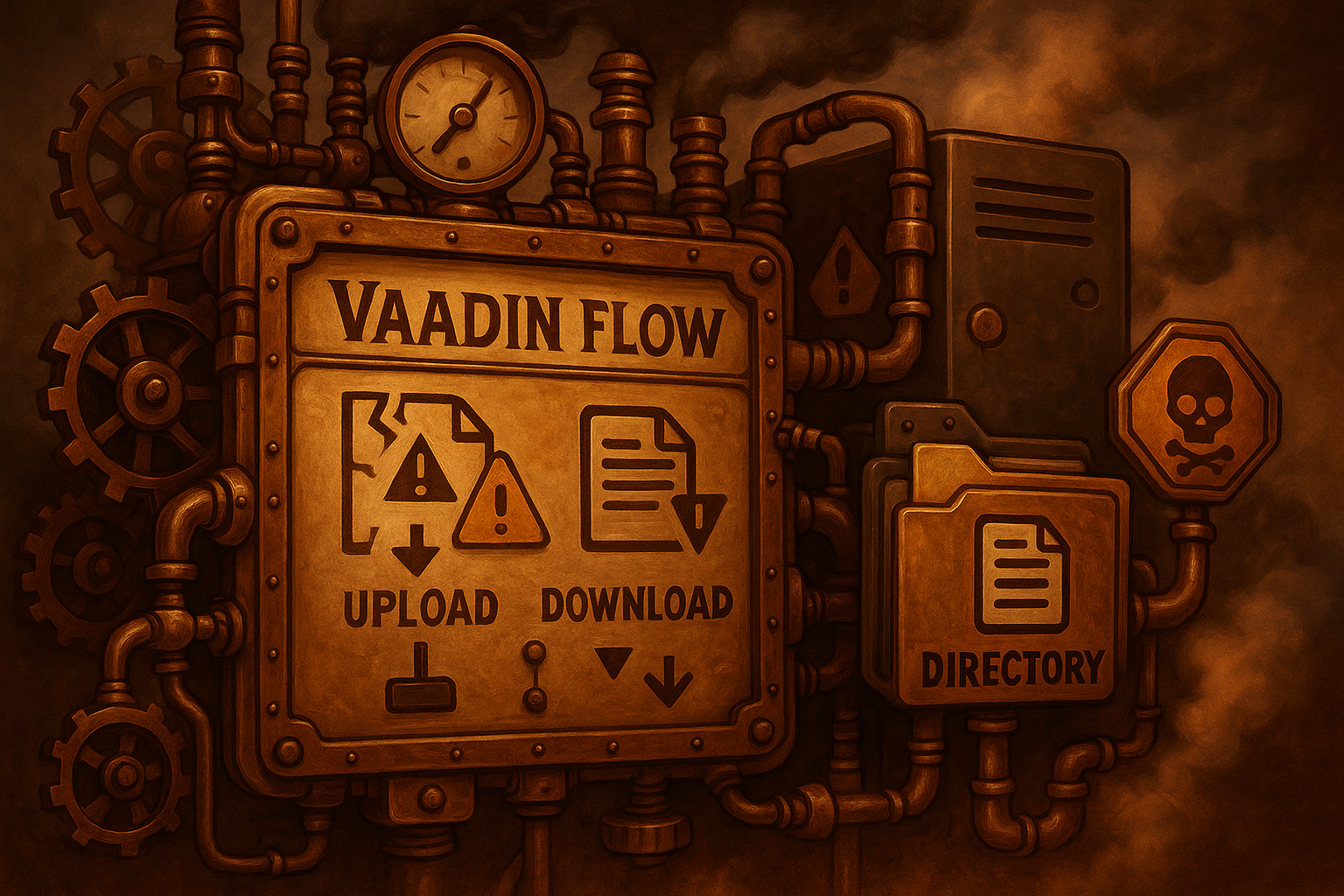
Vaadin Flow is a robust framework for building modern web applications in Java, where all UI logic is implemented on the server side. In this blog post, we’ll make a simple file management application step by step that allows users to upload files, save them to the server, and download them again when needed. This is a great way to demonstrate how to build protection against CWE-22, CWE-377, and CWE-778 step by step.
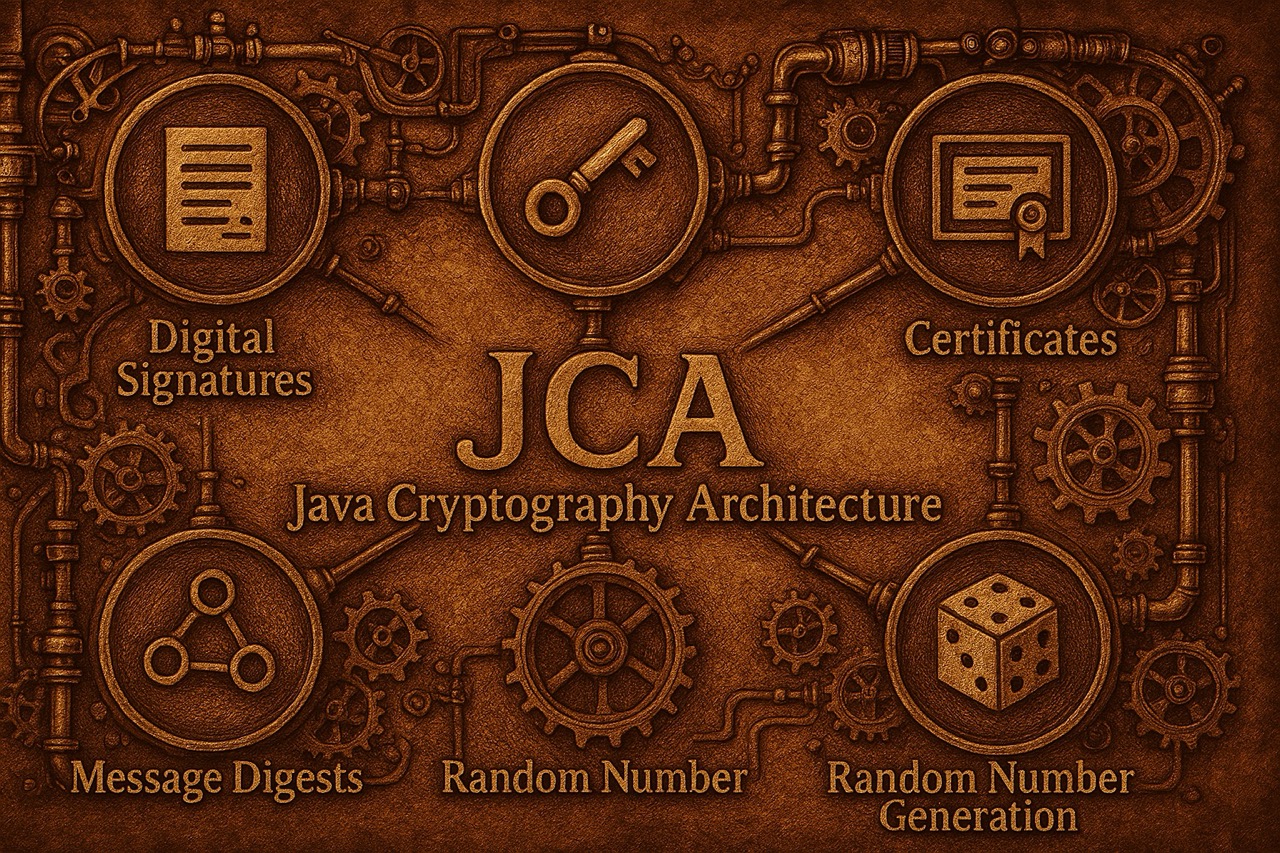
The Java Cryptography Architecture (JCA) is an essential framework within the Java platform that provides developers with a flexible and extensible interface for cryptographic operations. It is a central component of the Java Security API and enables platform-independent implementation of security-critical functions.