1. Categories/

Bushcrafting

2024

What is a Logbook?

A logbook is a record-keeping tool used in various fields to track information over time. It typically contains entries documenting events, activities, observations, or data related to a particular subject or task. Logbooks can take different forms depending on their purpose, ranging from handwritten notebooks to digital databases.

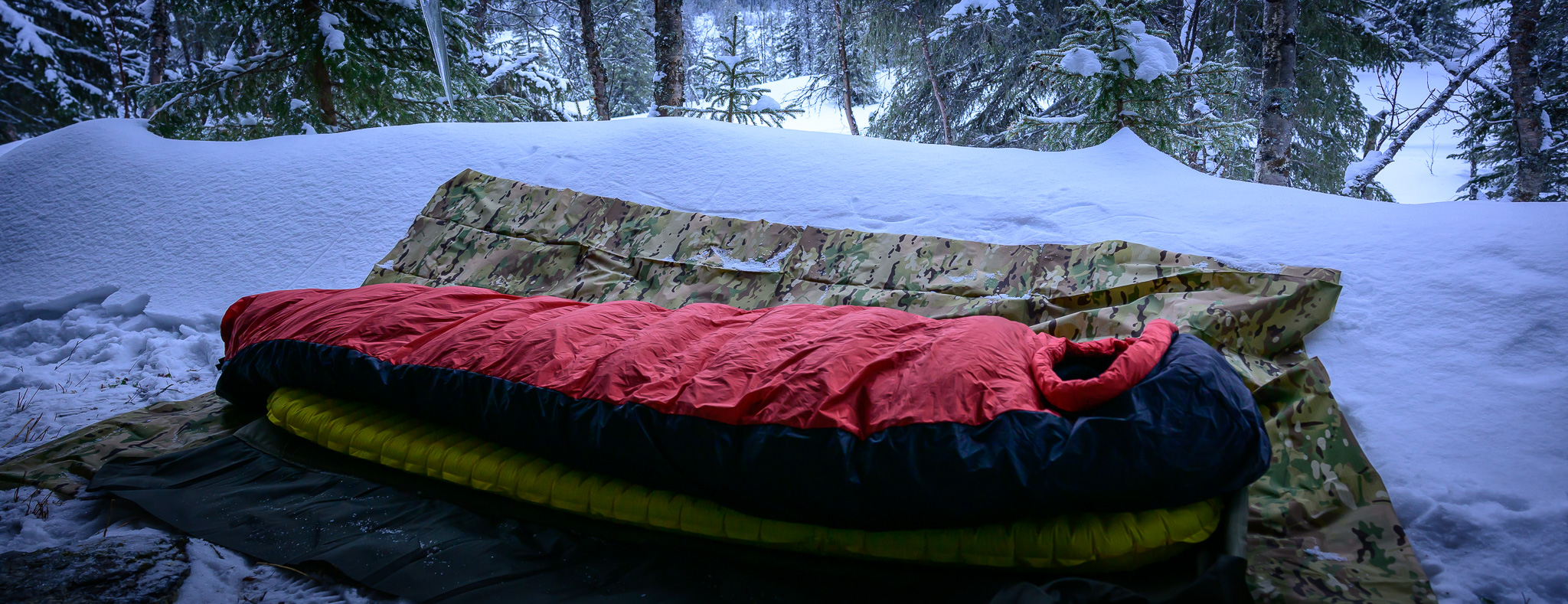
Sleepingbags For Winter Expeditions

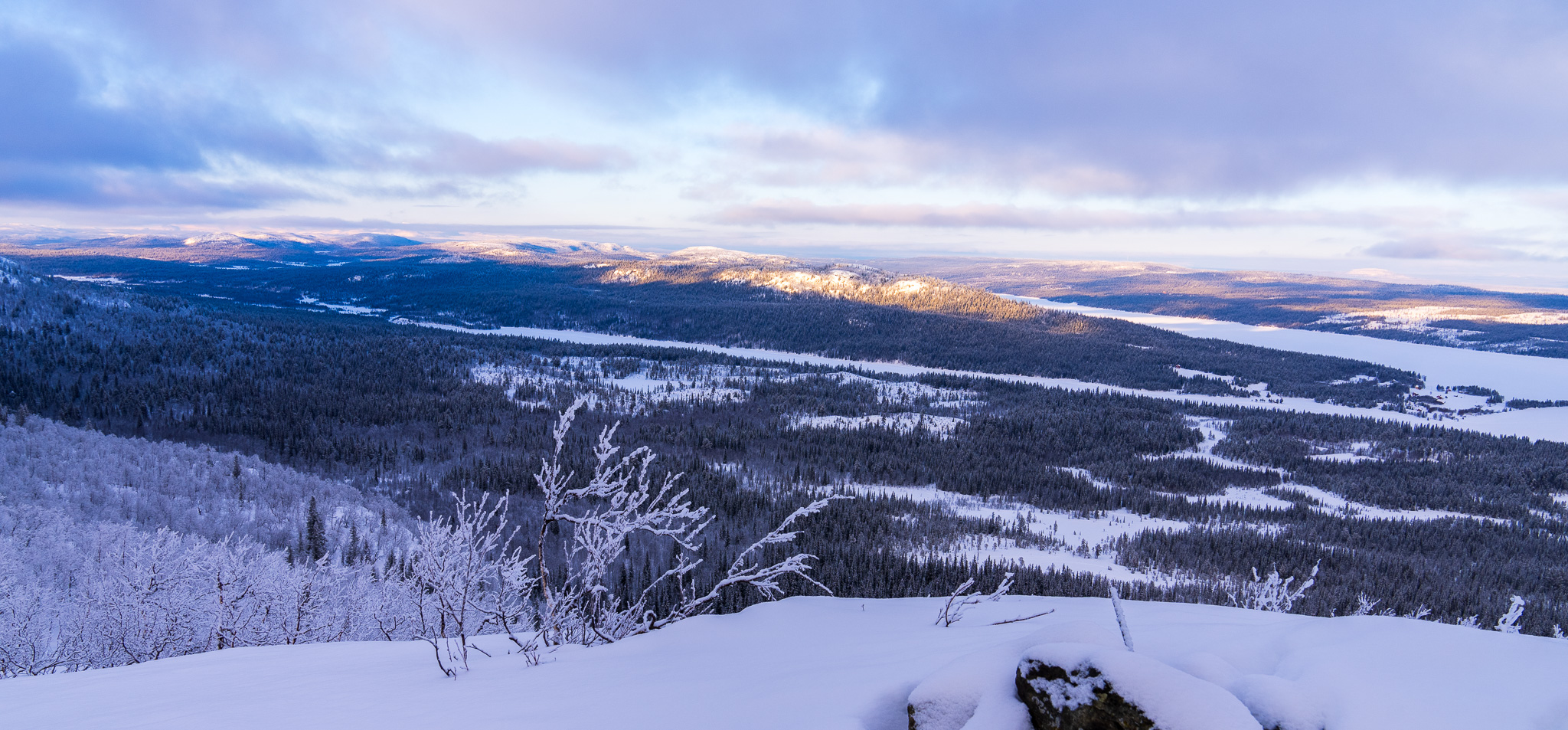
What is a winter trekking tour? # A winter trekking tour typically involves hiking or walking through snow-covered landscapes during the winter season. These tours are popular in regions with significant snowfall and mountainous terrain, such as the Alps, the Rockies, the Himalayas, and other mountain ranges worldwide. Winter trekking tours offer adventurers the opportunity to explore stunning winter landscapes, experience the tranquillity of the snowy wilderness, and challenge themselves physically and mentally.

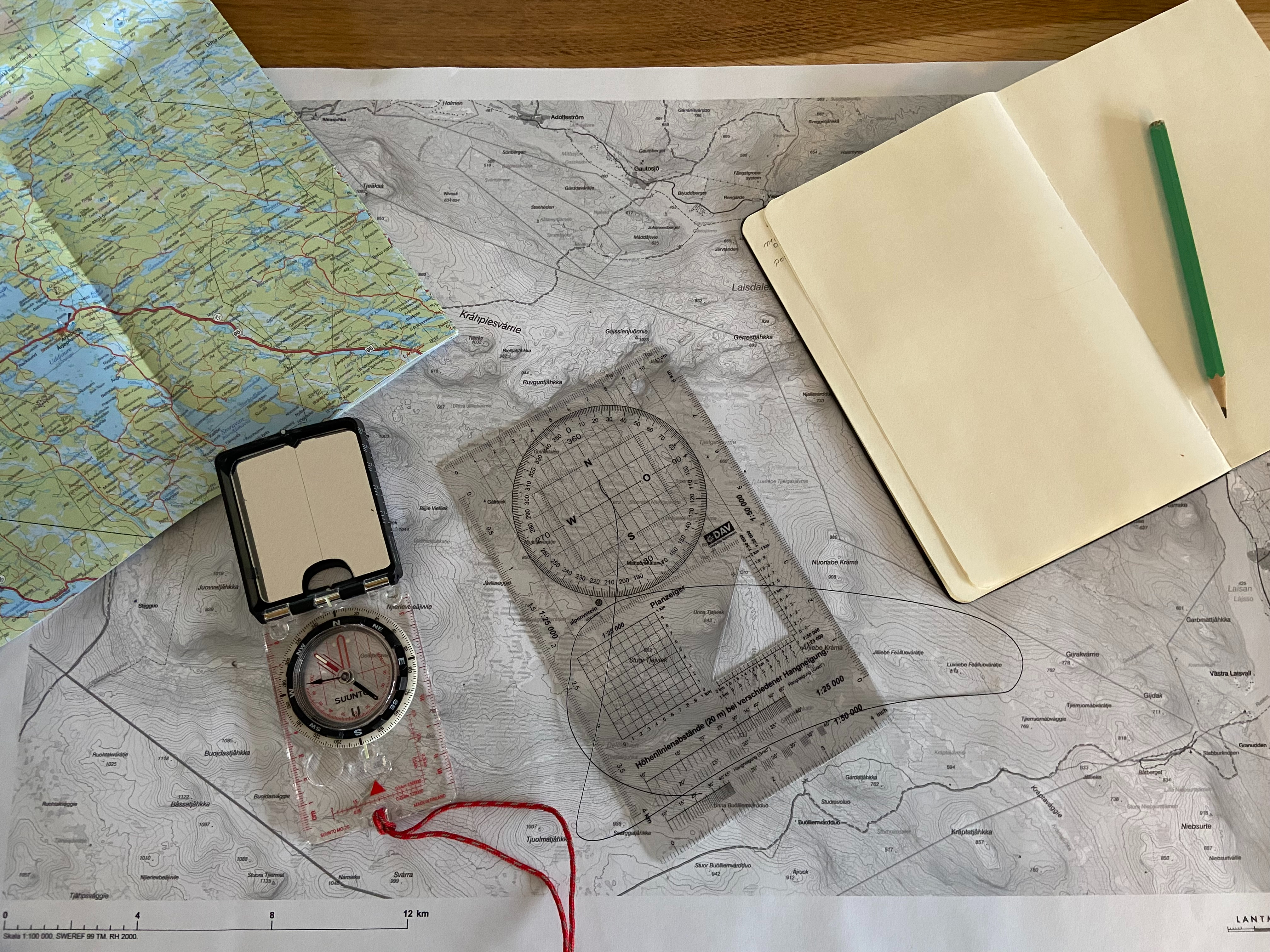
What is UTMref?

UTMref stands for Universal Transverse Mercator (UTM) reference system. It is a coordinate system to locate positions on the Earth’s surface. The UTM system divides the Earth into a series of zones, each 6 degrees of longitude wide, and assigns a coordinate grid to each zone. This grid system uses easting (measured in meters east of a reference meridian) and northing (measured in meters north of the equator) coordinates to define locations within each zone.

2023

What Are Magnetic Anomalies?

Magnetic anomalies refer to variations in the Earth’s magnetic field strength at different locations on the Earth’s surface. These anomalies interest scientists and researchers in various fields, including geophysics, geology, and environmental science. This comprehensive exploration will explore magnetic anomalies’ nature, causes, measurement methods, and significance.

Inclination in Navigation: A Short Overview

Introduction # Navigation is an ancient and essential practice that involves determining one’s position and direction relative to the Earth’s surface. In navigation, various factors and concepts play crucial roles in helping sailors, pilots, and even modern travellers reach their destinations safely and efficiently. Inclination is an integral concept to understanding the Earth’s magnetic field and its impact on navigation. In this comprehensive guide, we will delve into the concept of inclination in navigation, exploring its definition, significance, historical context, and practical applications.

Precision in the Wilderness: How to Navigate Safely Despite Magnetic Compass Disturbances

Understanding the disturbance of a magnetic compass is crucial for accurate navigation. External factors like magnetic declination, ferrous objects, electromagnetic interference, temperature variations, and external forces can affect compass readings. Magnetic declination represents the angular difference between true north and magnetic north. Ferrous objects and nearby magnets can alter the local magnetic field, causing deviations. Electromagnetic interference from electronic devices may disrupt compass accuracy. Temperature variations influence materials and magnetic properties within the compass. External forces, such as vibrations and movement, can lead to temporary disturbances. To maintain accuracy, users must know these factors, hold the compass level, calibrate periodically, and avoid interference sources. Understanding and mitigating compass disturbances are essential for reliable and precise direction finding in navigation and safety-critical situations. Let’s have a look at these topics.

Mapping Mastery: Decoding the Global Impact of UTM Coordinates

Embark on a journey to understand the Universal Transverse Mercator (UTM) coordinate system—a foundational tool in mapping and navigation. Unveil the historical evolution that led to its development during World War II, explore the technical intricacies that make it a global standard, and discover the practical applications that range from topographic mapping to field navigation.

2021

Howto Building a Bushcrafting Seat in the woods

·3 mins
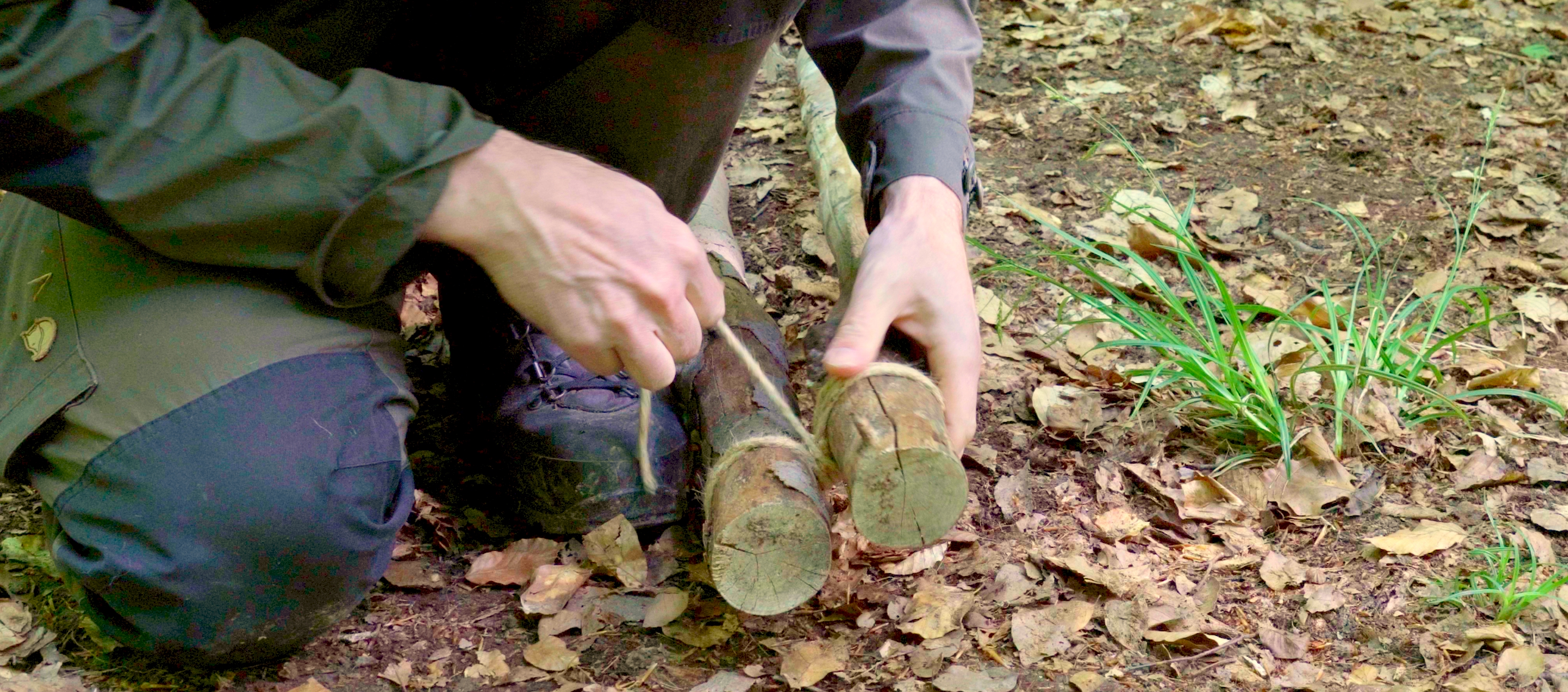
In this episode, I’ll show you how to make a comfortable bushcrafting chair out of a few sticks and a little string. Step 1 - Finding suitable wood # For this seat, we need three wooden poles. These must be stable enough to bear the weight of whoever wants to sit on them. When choosing the pieces of wood, you should, as always, make sure that only dead wood is used. In addition to the aspect of not damaging living trees, it also has a convenient background. With fresh wood, you always have to expect that there is still some moisture and resin in the workpiece and leak out in different places over time. In my search, I opted for secluded beech wood. All bars have a diameter of approx. 10cm are dry and sufficiently stable to hold my weight individually. Of course, rotten wood is not advisable.
build a small Bushcraft bench from a log

·4 mins
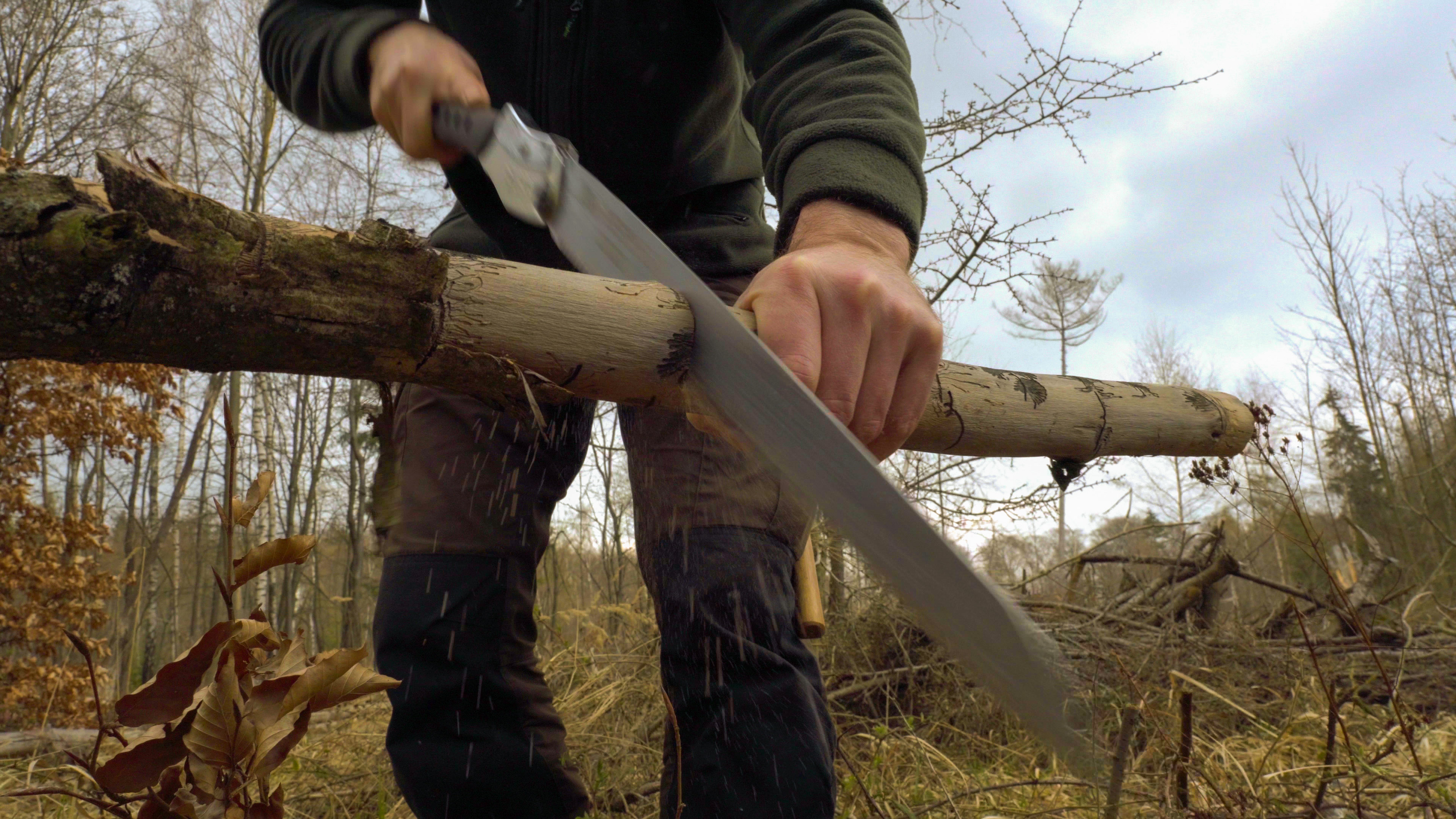
# When I’m out in the forest, I always enjoy having some tools with me. The backpack is certainly a little heavier, but there are countless possibilities. My son was there again on one of my last tours. At the time I write this blog post (early 2021), he is ten years old. It’s always lovely to see the enthusiasm with which new things are tried. We had set ourselves the goal of building a bank. We had an axe, a saw and a paracord with us as tools. To find a suitable workpiece, forest areas in which there are deciduous trees are suitable. Conifers are usually not very ideal because they contain much resin. Now and then, you will find places where some medium-sized trees such as birch, beech or oak have been fallen due to the last storm, are relocated. Of course, you have to be careful in such places whether the tree trunks are still under tension. We found just such a place, and we immediately started to sift through the wood. Since the logs had fallen for some time, it was safe to move between them.

Building a Rocket-Stove with Axe and Saw only

·8 mins
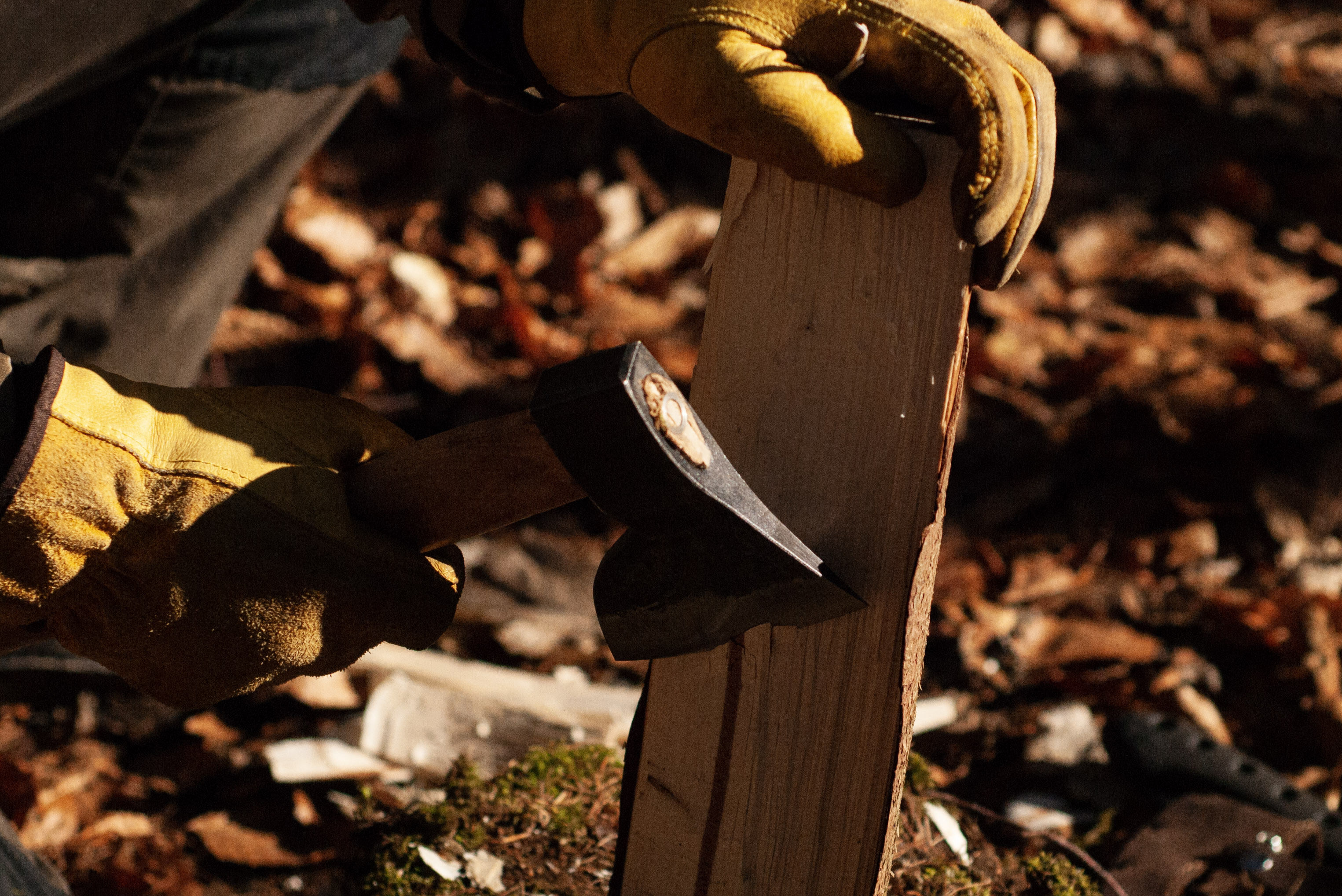
Today we’re going to look at how to make a rocket stove with an axe and a saw. The construction does not require any other materials such as wire or the like. This is a variant that can be used to boil water yourself. Even in wet weather, this variant works very well because, with the correct selection of the workpiece, the inner dry wood is used to generate sufficient embers. In this construction, the physical effect is used, in which hot air rises faster than the colder ambient air. This is, among other things, the reason why this variant works better the colder the ambient temperature is.